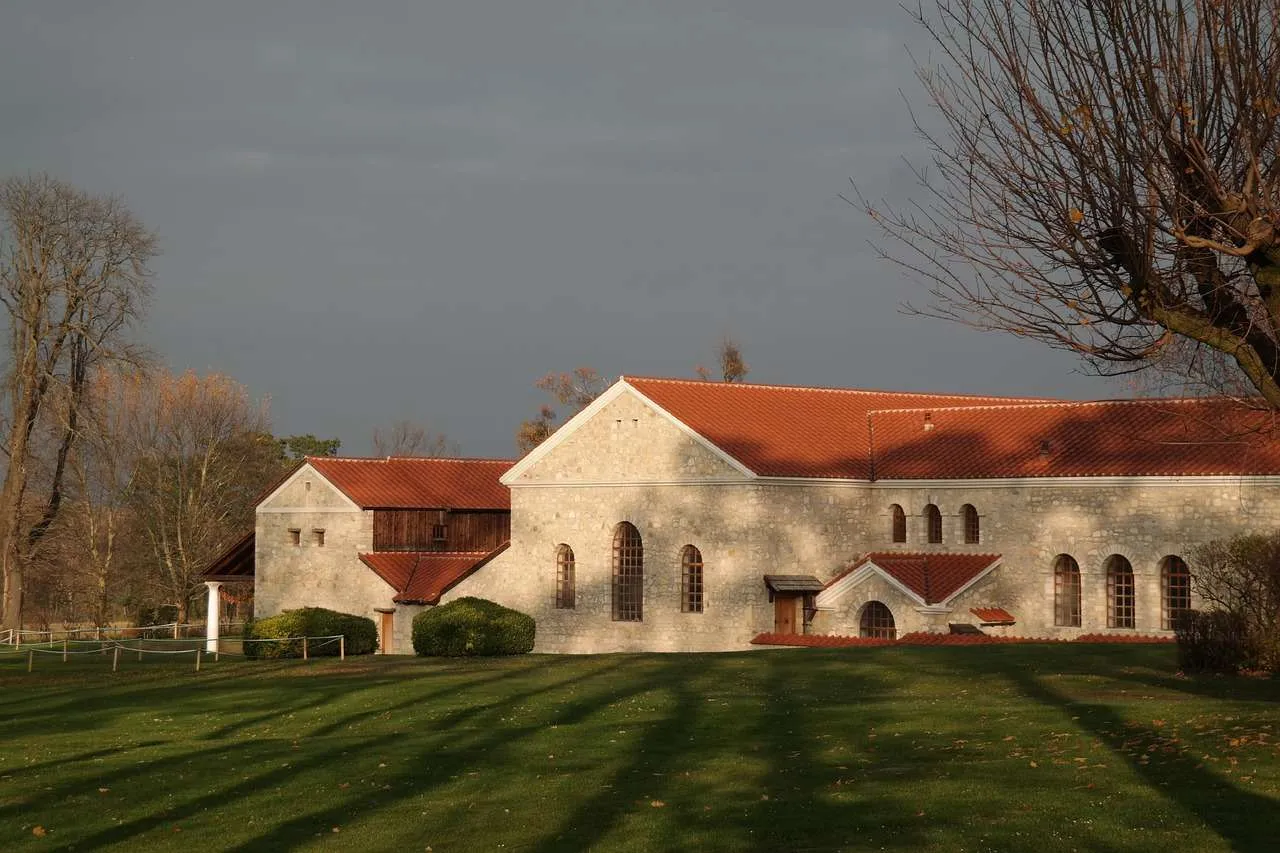
As a seasoned roofing professional, I understand how a strong roof protects your home from weather, energy loss, and value depreciation. This guide combines practical repair tips with expert advice to help homeowners navigate roofing decisions with confidence.
Understanding roofing materials
Roofs come in various materials, each with performance, cost, and maintenance implications. Asphalt shingles are common due to price and versatility. Metal roofs offer durability and energy efficiency but may require specialized installation. Tile roofs, often clay or concrete, provide long life but add weight and cost. Flat roofs use membranes such as EPDM or TPO and require careful detailing at edges and penetrations.
Material pros and cons
- Asphalt shingles: affordable, easy to repair, moderate lifespan (15–30 years).
- Metal: durable, fire resistant, reflective, higher upfront cost.
- Tile: long lasting, heavy and energy efficient, but costly and heavy for structure.
- Flat roof membranes: low slope reliability, easy to inspect, can be puncture-prone.
Signs you may need roof repairs
Watch for missing shingles, curling edges, granule loss in gutters, roof sagging, and leaks inside the home. Attic signs such as daylight through decking or water stains indicate active leaks. After storms, inspect for hail damage or displaced flashing around chimneys and vent pipes.
Repair vs replacement: how to decide
Deciding between repair and replacement depends on damage extent, roof age, underlayment condition, and budget. If most of the roof has minor leaks and the structure is sound, repairs can be cost effective. If the roof is near or past its expected life, or damage is widespread, replacement is often better value over time.
Choosing a reputable roofing contractor
Expertise matters. Look for licensed and insured contractors, ask for written estimates, check references, and review warranties. Ask about disposal, material specifications, and what happens if leaks persist after a repair. A contract should specify work scope, start and finish dates, and payment terms.
Maintenance tips to extend roof life
Regular maintenance saves costly repairs. Clean gutters and downspouts, remove debris, trim overhanging branches, inspect flashing after storms, and schedule annual roof inspections. Adequate attic ventilation and insulation reduce moisture and temperature swings that degrade materials.
Cost considerations and a quick comparison
Costs vary by material, region, and roof complexity. Below is a quick comparison to help plan.
| Option | Pros | Cons | Typical Lifespan | Cost Range |
|---|---|---|---|---|
| Roof Repair | Fixes leaks fast, preserves structure | May be temporary if damage is widespread | Depends on repair; months to years | 150 - 1500 |
| Roof Replacement | Long term protection, better insulation | Higher upfront cost | 15 - 50 years depending on material | 5000 - 15000 |
Conclusion
Professional guidance ensures correct decisions about roofing and roof repairs. With the right materials, timely repairs, and a trusted contractor, you protect your home and investment for years to come.
Summary: Regular inspection, timely roof repairs, and professional guidance protect your home, wallet, and comfort. By understanding materials, recognizing signs, choosing the right contractor, and following maintenance routines, you can extend roof life and maximize return on investment.