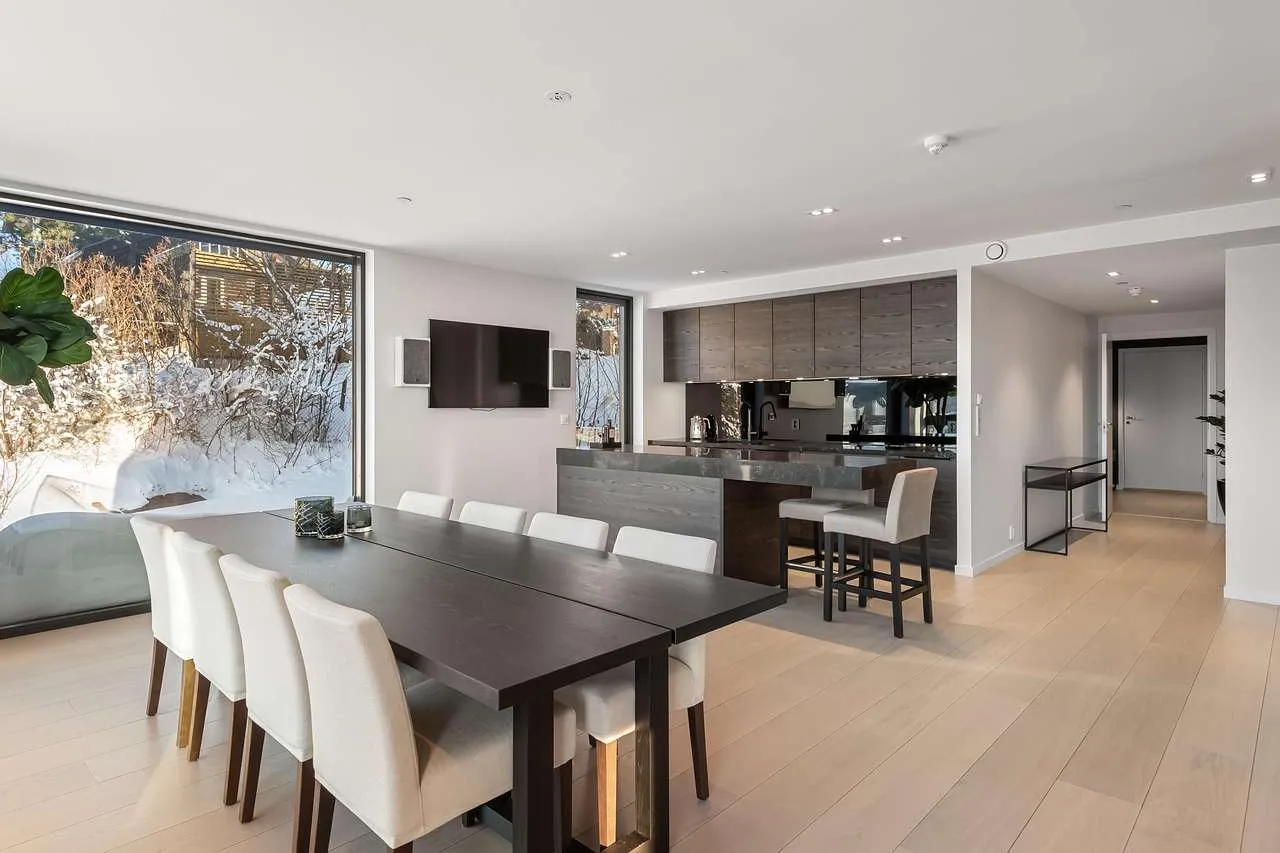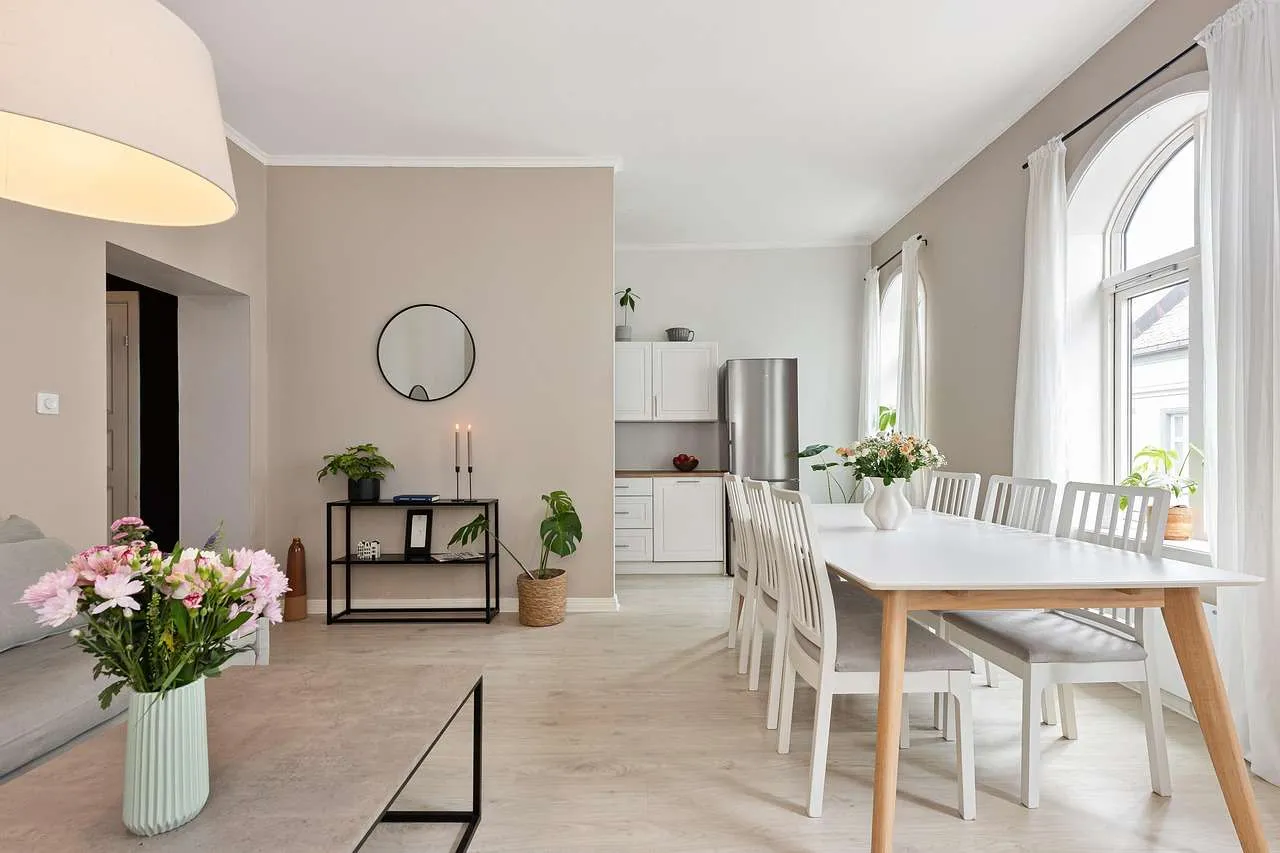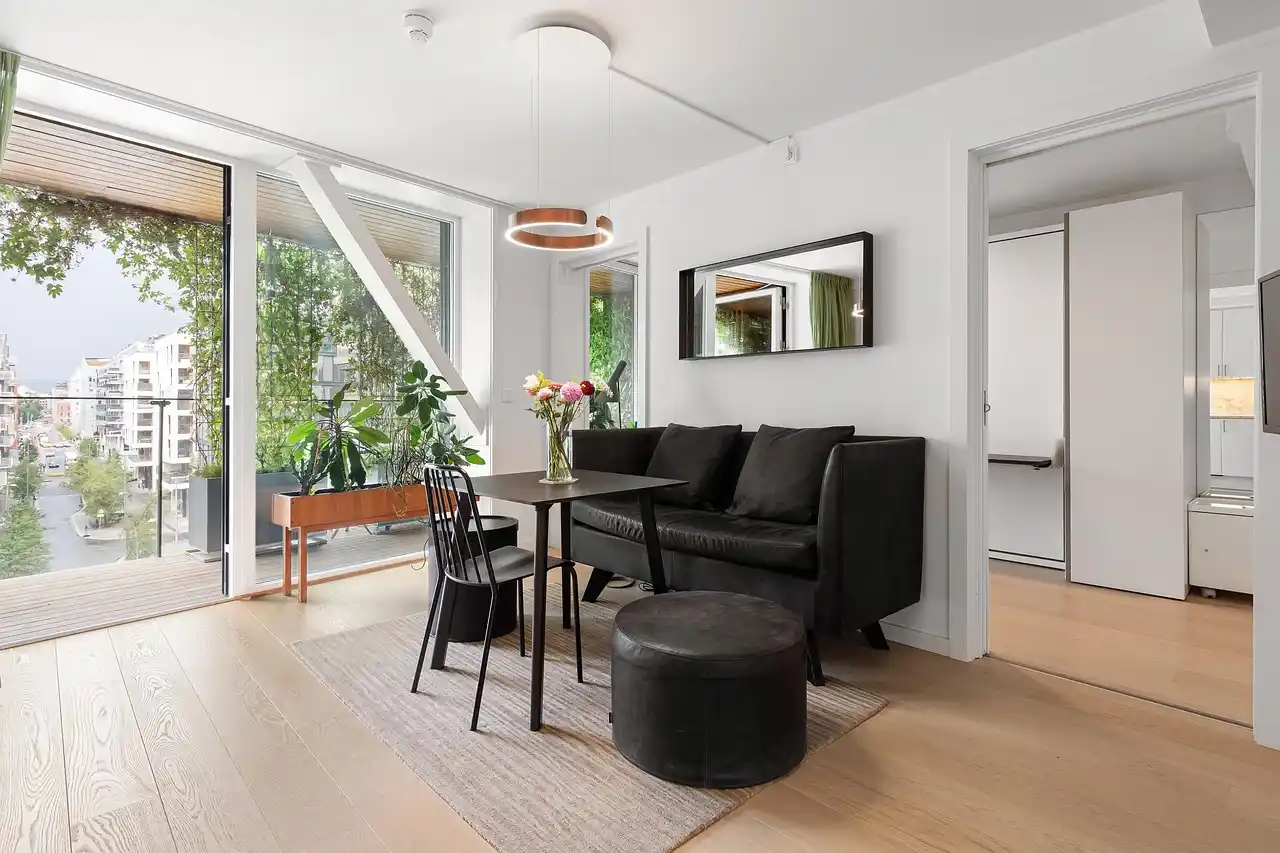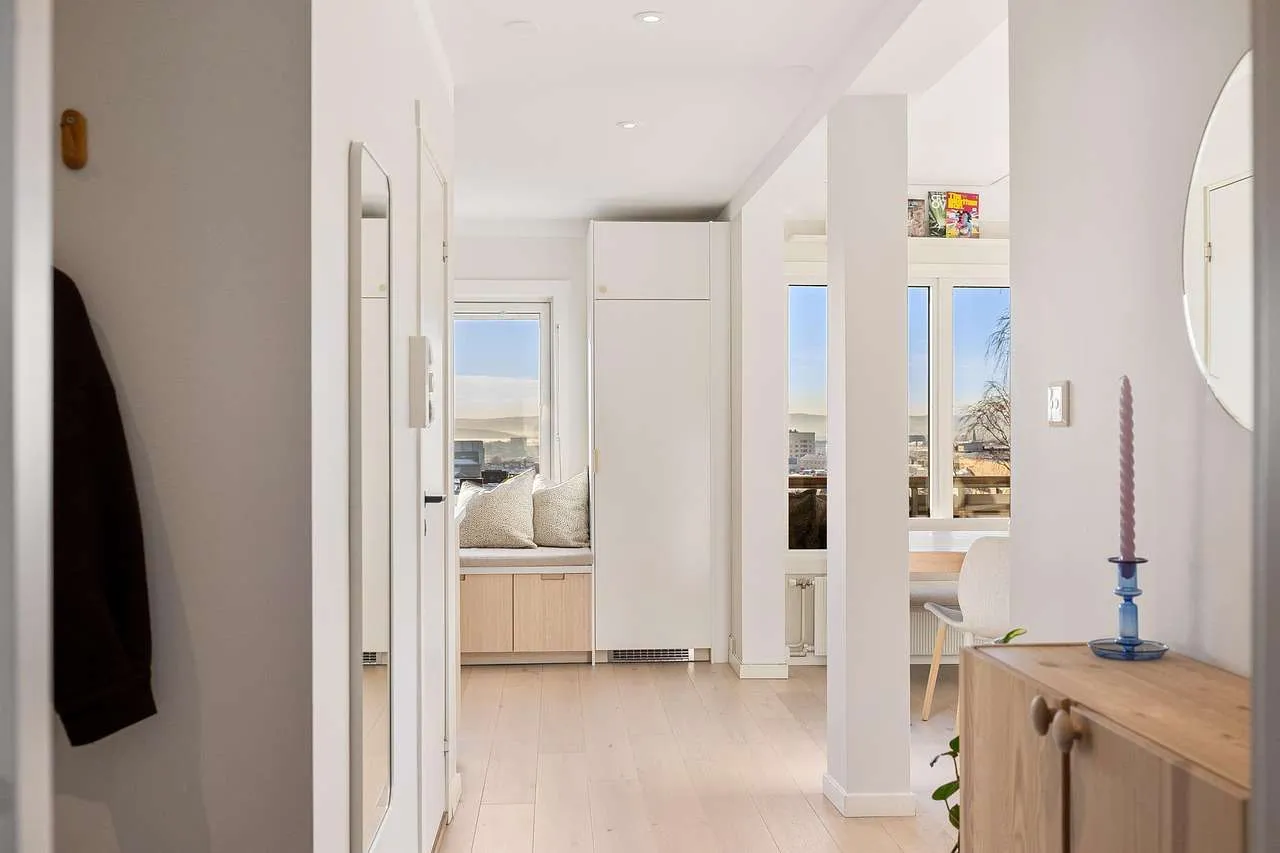
Home window tinting refers to applying a thin film to glass to control heat, glare, UV exposure, and privacy. Modern films are layered to reject infrared heat while maintaining optical clarity. For homeowners, professional installation ensures a clean finish, strong adhesion, and compliance with local laws and homeowners associations.
What is home window tinting
Window tinting uses a multi layer film that is bonded to interior glass. The film's performance is described by values such as visible light transmission VLT and infrared rejection. Higher heat rejection often corresponds to lower VLT, but the exact combination depends on the film and the glass. A reputable installer will help you choose a product that meets your climate, home orientation, and lifestyle needs while remaining within legal limits.
Benefits of home window tinting
By reducing heat gain you can lower cooling costs and create a more comfortable living space. UV rejection protects furnishings from fading and reduces potential skin exposure. Glare is minimized on screens and in work areas, improving productivity and viewing comfort. Privacy improves without sacrificing daylight, and in some cases the film adds a degree of safety by helping hold shattered glass together in an impact. In addition, a quality film can enhance curb appeal and resale value by giving a modern, uniform look.
Choosing the right film
Choosing the right film involves balancing performance, cost, and aesthetics. Consider climate and sun exposure, window orientation, and the level of daylight you want inside the home. Check local tint laws and HOA rules before purchase. Ask for a property specific sample showing VLT, heat rejection and UV rejection. Verify warranty terms and ensure the installer offers proper edge sealing and cleaning.
Film types
- Dyed film offers good shade at a lower price. It absorbs heat and can fade over time, but it keeps the interior darker without metallic shine.
- Metalized or reflective film provides strong heat rejection but can cause glare and may interfere with electronics and remote signals. It can also change window aesthetics.
- Ceramic film delivers high heat rejection with excellent clarity. It does not interfere with signals and is the best all around for durability and privacy.
- Carbon film combines a non reflective look with strong heat rejection and good UV protection, often with a stylish appearance and durability.
Installation process and maintenance
Professional installation involves an assessment, window cleaning, film cutting, and careful application with squeegees to remove air and moisture. Edges are trimmed, and the film is heated and sealed to improve adhesion. DIY tinting is possible for small areas, but it carries risks of bubbles, mis cuts, and warranty voids. Maintenance is straightforward: use a soft microfiber cloth and a mild, non ammonia cleaner. Avoid abrasive tools that can scratch the film and never scrub the film at the edge where it adheres to the frame.
Legal and safety considerations
Local laws govern the minimum light transmission on front windows and the allowable level of tint on other panes. A professional installer will confirm the film complies with state regulations and HOA covenants. Safety minded films help hold glass together if a pane breaks, reducing the risk of sharp shards and offering an added measure of indoor protection.
Cost and return on investment
Prices vary by film type, window size, and installation complexity. Expect to pay more per window for ceramic or carbon films and less for dyed products. A typical home installation may range from a few hundred to several thousand dollars, depending on the number of windows and the film chosen. Over time energy savings, reduced fading, and improved comfort can offset the upfront cost, making home window tinting a worthwhile investment in many homes.
Film Type Comparison
| Film Type | Heat/IR Rejection | UV Rejection | Visible Light (VLT) | Durability | Best For |
|---|---|---|---|---|---|
| Dyed | Moderate | High | Low to Moderate | Low | Budget projects |
| Metalized | High | Good | Can be reflective | Moderate | Heat redirect and privacy |
| Ceramic | Excellent | Excellent | High clarity | High | All around performance |
| Carbon | Very good | Good | Balanced | High | Stylish and efficient |
Note the exact numbers vary by brand and film family. Always ask for the manufacturers data sheet and a physical sample to confirm tint level and performance.
Summary Home window tinting offers a clear path to lower energy use, better comfort, and protected interiors. By selecting the right film type for your climate, ensuring compliance with laws and HOA rules, and partnering with a licensed installer, you can achieve durable results that enhance privacy and curb appeal while preserving daylight and visibility. Regular maintenance keeps the film looking new and performing well for years, delivering ongoing value to your home.