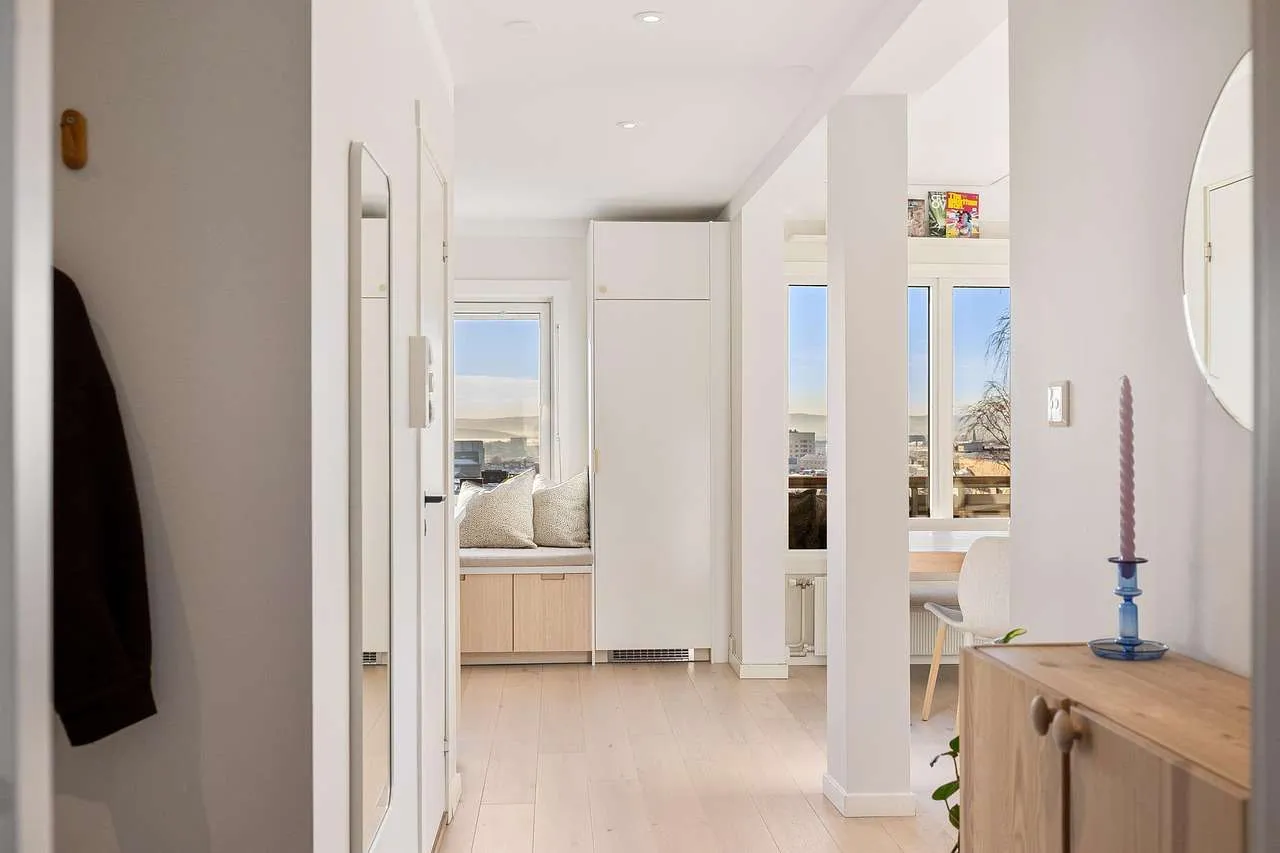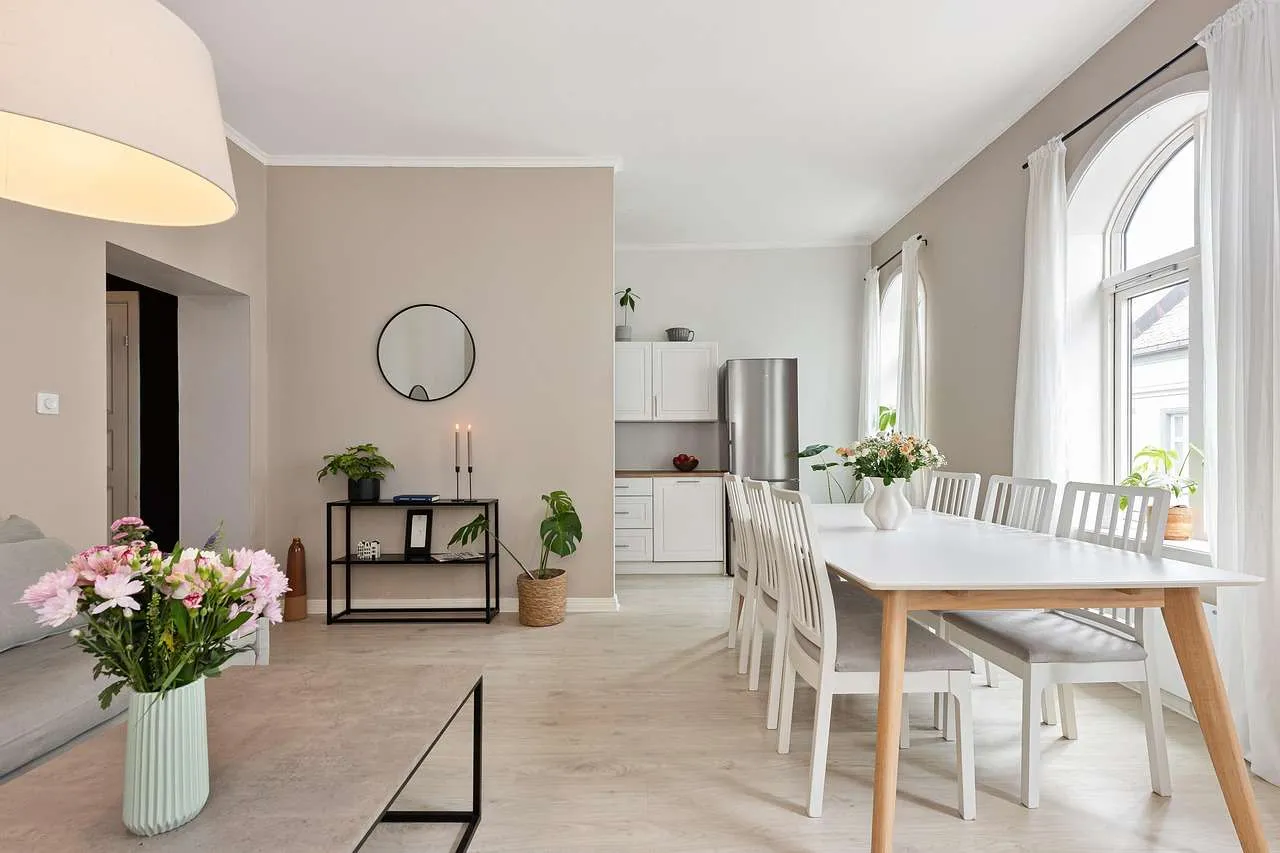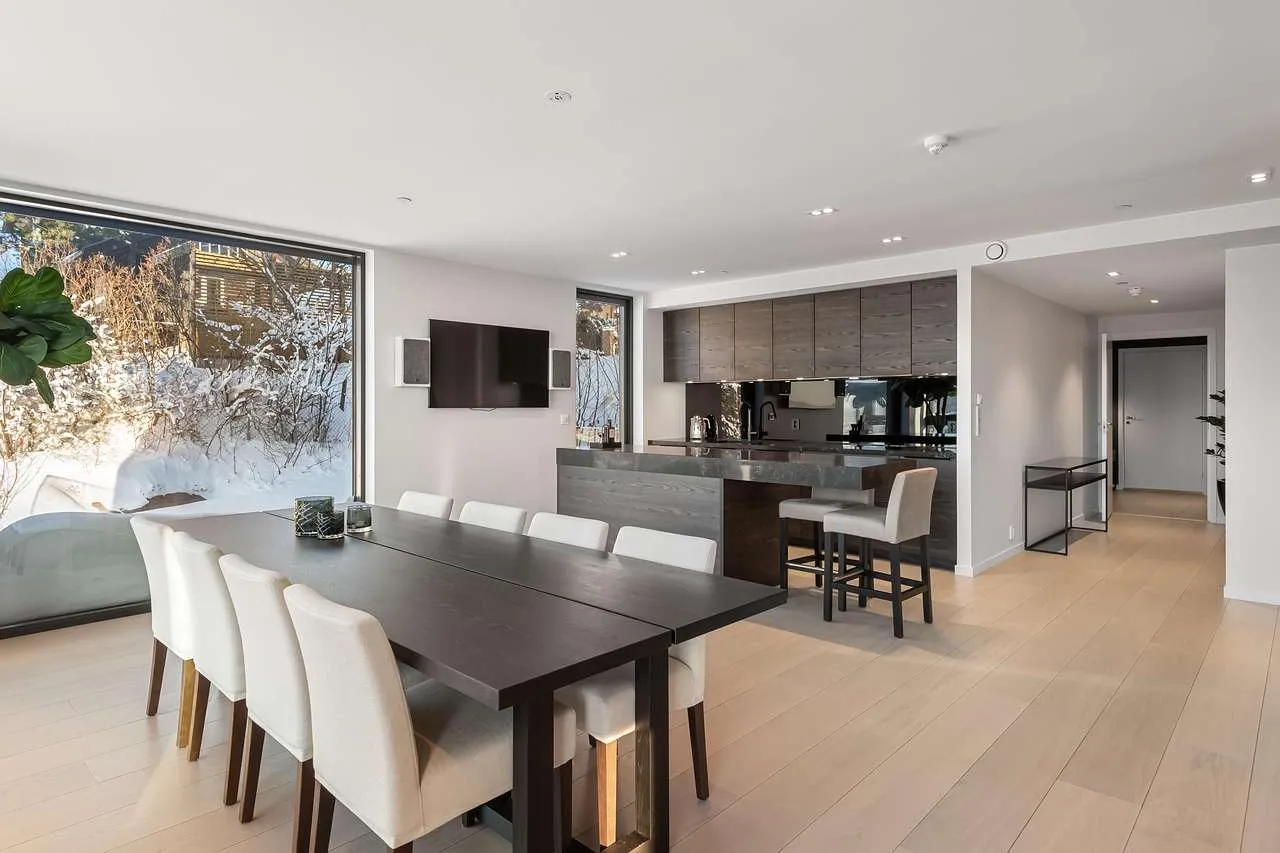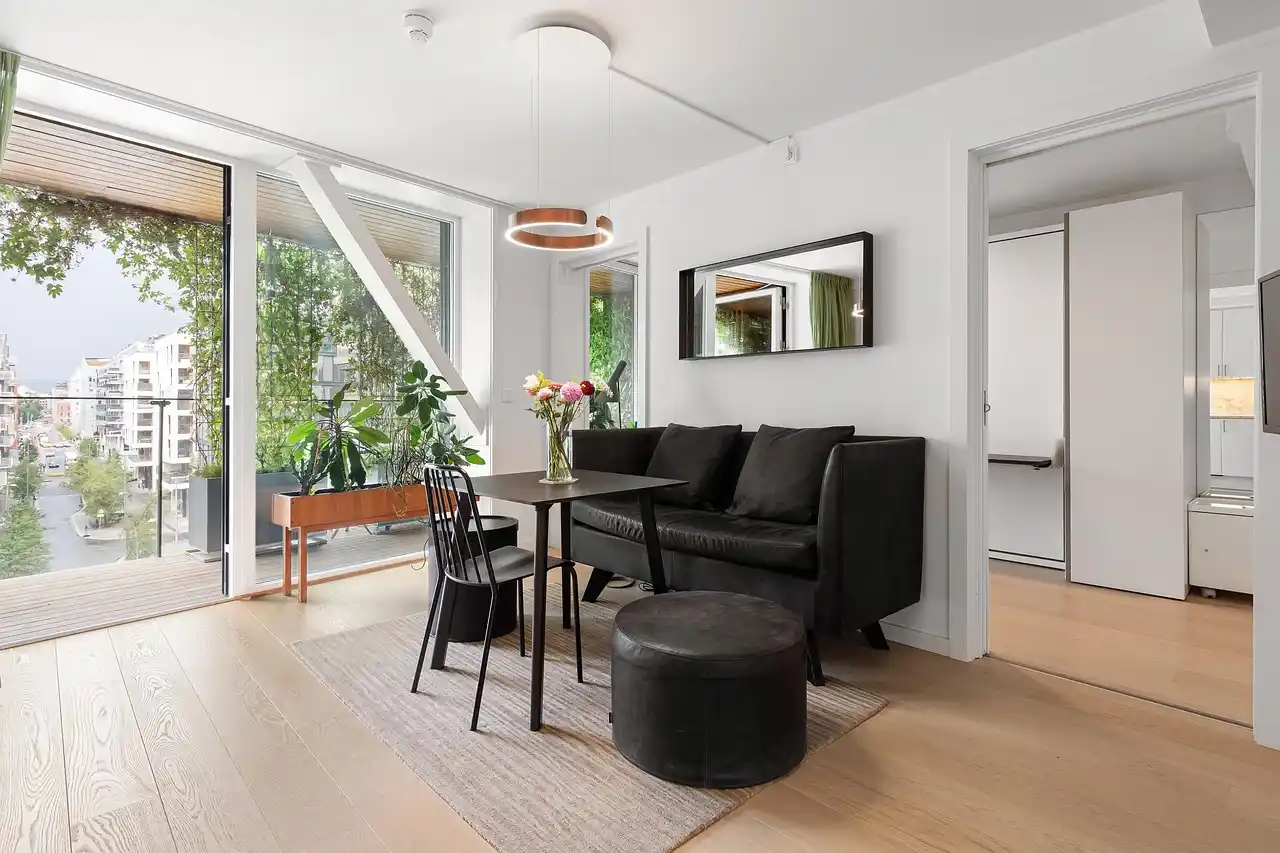
Window tint for home is a solar control film applied to the interior surface of glass to reduce heat and glare. It blocks UV rays, lowers energy use, and can add privacy and protection for furnishings.
Why homeowners choose window tint for home
In hot climates, a film reduces cooling load on air conditioning by reflecting a portion of solar energy. In cold climates, it helps keep heat inside during winter. The result is improved comfort across rooms, less glare on screens, and better protection for fabrics, floors, and artwork.
Types of window tint for home
Dyed window films
Dyed films offer a low cost option with noticeable color. They provide decent heat reduction and privacy while preserving good natural light. The main downside is color fade over time and lower durability compared with more advanced films.
Metalized window films
Metalized films include a metallic layer that boosts heat rejection and privacy. They can cause mirror like reflections and may interfere with some electronic signals if installed on large panes. These films also tend to be more durable and less prone to fading.
Ceramic window films
Ceramic films use non metal and non dye materials to achieve high performance. They offer excellent heat rejection, strong UV blocking, and do not interfere with electronics. The downside is higher upfront cost but long term value through energy savings and clarity.
Hybrid window films
Hybrid films combine elements of dyed and ceramic or metalized layers. They provide balanced heat control, moderate cost, and good durability. They are a versatile choice for homes with mixed sun exposure.
Benefits of window tint for home
- Energy efficiency: By reducing solar heat gain, tint lowers cooling needs and can reduce monthly energy bills.
- UV protection: Most films block up to 99 percent of ultraviolet rays, preserving furniture and flooring from fading.
- Glare reduction: Lower glare improves comfort for work, study, and entertainment in sunny rooms.
- Privacy and security: Films add daytime privacy and can deter theft by obscuring interior views.
- Interior protection: Less heat and UV exposure extend the life of photos, fabrics, and art.
- Safety and resilience: Some films hold glass together if a pane breaks, reducing injury from shards.
Installation and maintenance
Professional installation is usually recommended for best results and a long lasting finish. A qualified installer will assess glass type, climate, and exposure before selecting a film. DIY kits exist, but air bubbles, poor edges, and improper adhesion can reduce performance. Most home films come with warranties that cover fading, peeling, and adhesion for several years.
Maintenance is simple: clean with a soft cloth and mild soap, avoiding abrasive cleaners. Do not use ammonia based cleaners on some films as they can affect the adhesive over time. Routine checks help ensure a consistent appearance and performance.
Legal considerations and standards
Window tint regulations differ by country and region. Local laws may specify maximum allowable tint levels on front windows and safety glass requirements. Homeowners should consult a licensed installer who knows current codes and can provide documentation for permits or homeowner associations. Obtaining the correct documentation helps avoid fines or rework during inspections.
Comparative overview of film types
| Film Type | UV Rejection | Visible Light Transmission (VLT) | Pros | Cons | Typical Cost per sq ft |
|---|---|---|---|---|---|
| Dyed | Up to 99% | 15-60% | Low cost; decent heat reduction | Color fade; less durable | $2-$6 |
| Metalized | Up to 99% | 15-50% | Strong heat rejection; enhanced privacy | Possible signal interference; reflective | $3-$7 |
| Ceramic | Up to 99.9% | 40-70% | Clear view; no interference; best performance | Higher cost | $5-$15 |
| Hybrid | Up to 99% | 30-60% | Good balance; moderate cost | Mid range durability | $4-$10 |
Choosing the right tint for your home
To select the best film, assess climate, room orientation, and privacy needs. Consider window age and frame type, as some frames influence adhesion and warranty. Request color and shade samples from the installer and review warranty terms. Work with a licensed professional to ensure compliance with local laws and to obtain proper documentation for permits or HOA approval if needed.
Conclusion
Summary: Window tint for home offers improved comfort, energy savings, UV protection, and better interior longevity when you choose the right film and rely on professional installation. By understanding film types, benefits, and local rules, homeowners can make a confident choice that enhances both living spaces and property value.